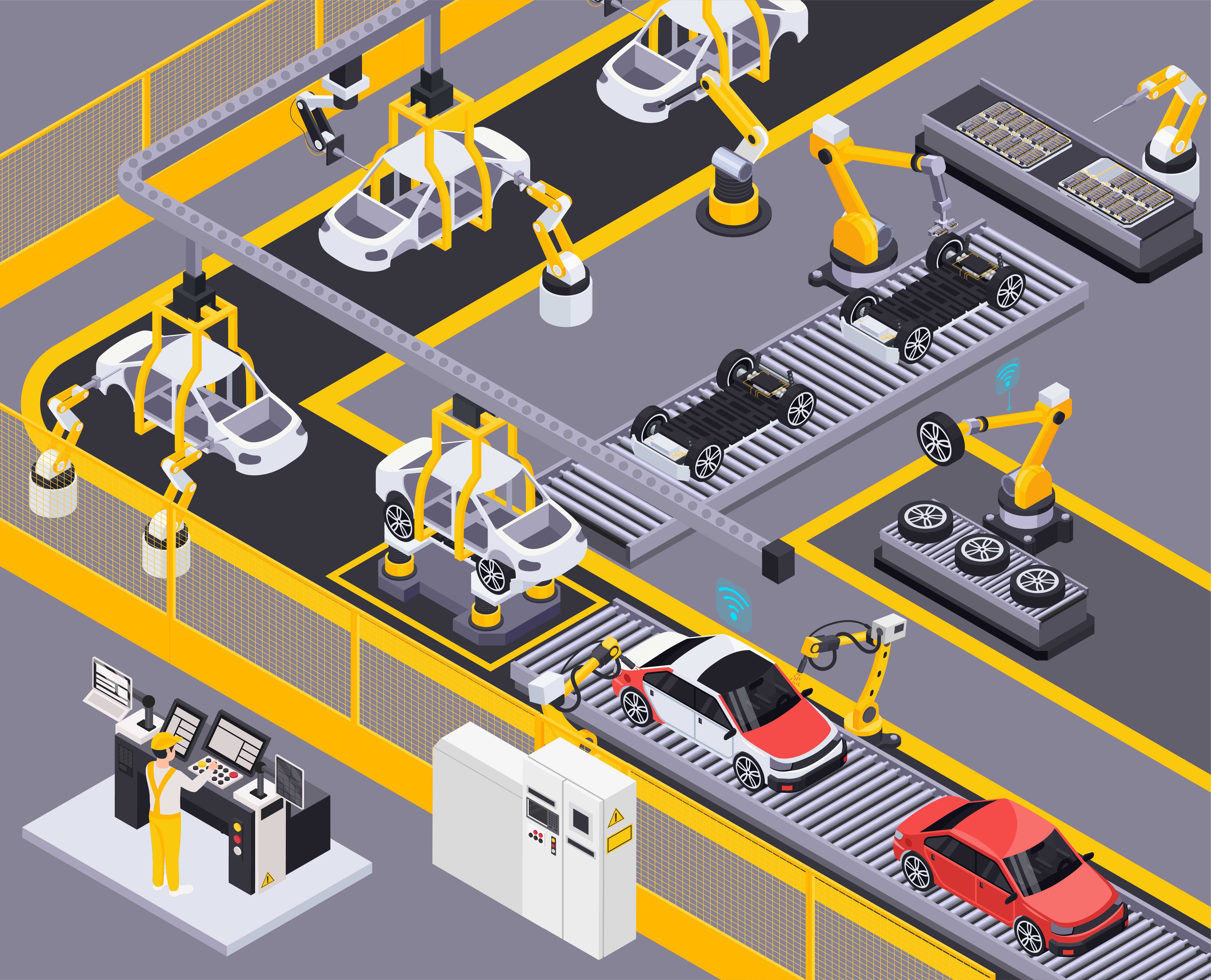
The New Automotive Landscape: Trends & Drivers Malaysia's automotive sector is being shaped by several key trends, moving away from conventional internal combustion engine (ICE) vehicles to a more sustainable and technologically advanced future.Electric Vehicle (EV) AdoptionThe government is a significant catalyst for this trend, with policies and incentives designed to encourage EV ownership. This has led to a steady increase in EV sales and the rapid expansion of charging infrastructure. As a result, there's a growing need for engineers with expertise in battery technology, powertrain systems, and charging infrastructure.Focus on Technology and InnovationThe industry is embracing Industry 4.0, which means integrating technologies like robotics, artificial intelligence (AI), and data analytics into manufacturing and vehicle design. Engineers are needed to develop smart factory solutions, autonomous driving features, and connected car technologies.Shift Towards Higher-Value ManufacturingThe New Industrial Master Plan 2030 (NIMP 2030) aims to transform Malaysia's manufacturing sector into a high-tech, high-value-added industry. For automotive engineering, this means a focus on producing advanced components and systems, rather than just basic assembly.Intensified CompetitionThe market is becoming more competitive, with new players, especially from China, entering the market. This is driving a need for engineers who can innovate, improve product quality, and develop new models to stay ahead.Demand for Automotive Engineering RolesWith these trends, the demand for traditional automotive engineering roles is evolving. New specialisations are becoming highly sought after.EV and Battery EngineersThis is arguably the most in-demand specialisation. Roles include battery management system (BMS) engineers, powertrain engineers for electric propulsion, and charging infrastructure developers.Software and Electronics EngineersAs cars become "computers on wheels," there's a massive need for engineers skilled in embedded systems, software development, and AI for autonomous and connected vehicle features.Quality and Manufacturing EngineersAs the industry strives for higher quality and efficiency, professionals in Quality Assurance (QA), process engineering, and automation control are critical for both traditional and EV manufacturing lines.R&D and Product DevelopmentCompanies are investing in local R&D to customise vehicles for the Malaysian market and contribute to global designs. This creates opportunities for design engineers, project engineers, and test engineers.Salary Outlook for 2025Salaries for automotive engineers in Malaysia vary widely based on experience, location, and specialisation. However, with the increasing demand for high-skilled roles, especially in EV and software, the salary outlook is positive. Entry-Level Engineers (1-3 years): An entry-level engineer can expect to earn between RM 3,500 to RM 5,000 per month.Mid-Career Engineers (4-7 years): With a few years of experience, a professional can see their salary increase to RM 5,000 to RM 7,000 per month.Senior Engineers (8+ years): Highly experienced engineers, particularly in specialised areas like EV powertrain or advanced manufacturing, can earn upwards of RM 10,000 or more per month.Essential Skills for Career SuccessTo thrive in the future of automotive engineering in Malaysia, engineers must not only have a strong foundation in mechanical or electrical engineering but also cultivate new skills.Digital and Software SkillsProficiency in programming languages (e.g., C++, Python), knowledge of vehicle software architecture, and experience with simulation tools are becoming essential.Knowledge of EV SystemsA deep understanding of battery chemistry, thermal management, electric motors, and power electronics is crucial.Problem-Solving and Critical ThinkingAs new technologies emerge, engineers must be able to solve complex, non-traditional problems.Adaptability and Continuous LearningThe pace of change is fast, so a commitment to lifelong learning and upskilling is vital for staying relevant. ConclusionThe 2025 job outlook for automotive engineering in Malaysia is bright for those willing to adapt. The industry is in a period of exciting transformation, with the move towards EVs and smart technologies creating a wealth of opportunities. While the traditional roles will still exist, the real growth and demand will be for engineers who have embraced these new technologies and are prepared to drive the future of mobility in the country. Whether it will be your first job or a career change, make sure your resume is up-to-date with the help of our resume checklist. When you’re ready, kickstart your career with jobs on Hiredly today!